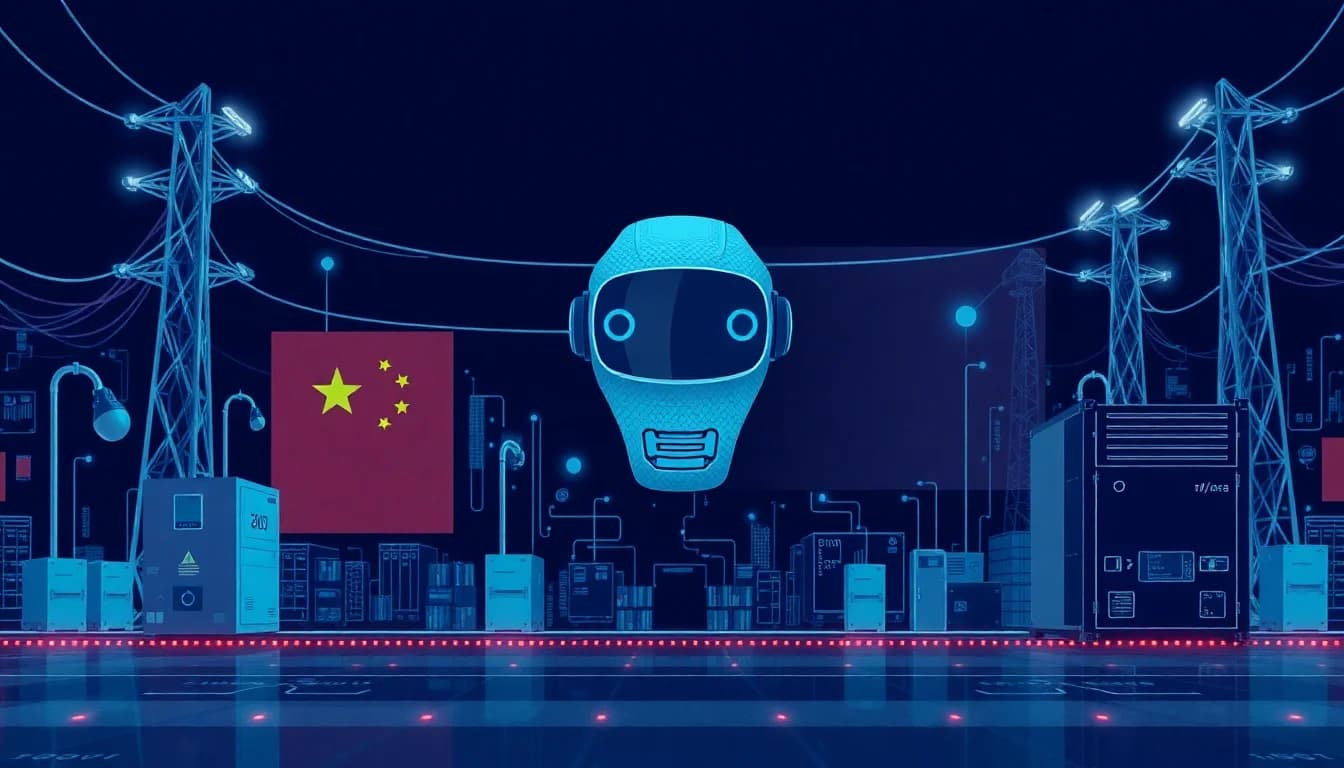
The Federal Communications Commission (FCC) has added new models of foreign humanoid and quadrupedal robots, along with power inverters, to the list of equipment banned from import and sale in the United States.
This decision aims to protect supply chains crucial for the artificial intelligence sector and critical infrastructure from risks associated with cyber espionage and sabotage.
According to Reuters, these measures primarily target products from China. The restrictions apply only to new models that have not yet received approval for sale in the U.S. However, the FCC retains the authority to revoke licenses for equipment that has already been approved. Exceptions are expected for manufacturers from other countries, similar to previous actions taken regarding routers and drones.
The regulator believes that modern robots can gather vast amounts of data and, if remotely accessed, could be used to monitor American businesses and interfere with critical infrastructure operations. Similar concerns have been raised about imported inverters used in energy grids, data centers, and energy storage systems.
"These devices could create vulnerabilities in supply chains that pose risks to the economic and national security of the U.S. and threaten the cybersecurity of America’s critical infrastructure," the press release stated.
Focus Primarily on China
One of the main targets of the new measures could be the Chinese company Unitree, which holds about 20% of the global humanoid robot market. Recently, this manufacturer was listed among companies linked to the military by the Pentagon.
U.S. authorities have particularly noted Unitree's collaboration with NVIDIA, which has provided the company’s robots with support from its AI platform based on Blackwell chips. NVIDIA has previously stated that data from these devices remains within the U.S., with major clients being American universities and research organizations.
China is the world’s largest producer of inverters, with Sungrow Power Supply leading the segment. Huawei, already facing heavy sanctions from the U.S., is increasing its market share in similar products in the West.
The Chinese Embassy in Washington has reacted to the FCC's decision, urging the United States to heed the objective and rational voices from the business communities of both nations and to "stop vilifying Chinese companies and threatening them with sanctions." The Chinese government stated it would take all necessary measures in response to any actions that significantly harm its interests, according to the diplomats.
It is worth noting that in July, the Trump administration revisited discussions on measures that could complicate the use of Chinese AI models with open weights.
Twenty-five companies, including Nvidia, Meta, and Microsoft, signed an open letter to authorities urging them not to impose restrictions.