Back to News
NewsInflationInterest RatesFederal Reserve

Tech Leaders to Discuss AI Risks with UN Security Council

The UN Security Council will convene to discuss AI risks with tech leaders, following calls for a slowdown in AI development and chip export restrictions to China.

Mercation Admin
September 22, 2026 1 min read
Tech Leaders to Discuss AI Risks with UN Security Council

UN Security Council to Address AI Risks with Tech Leaders

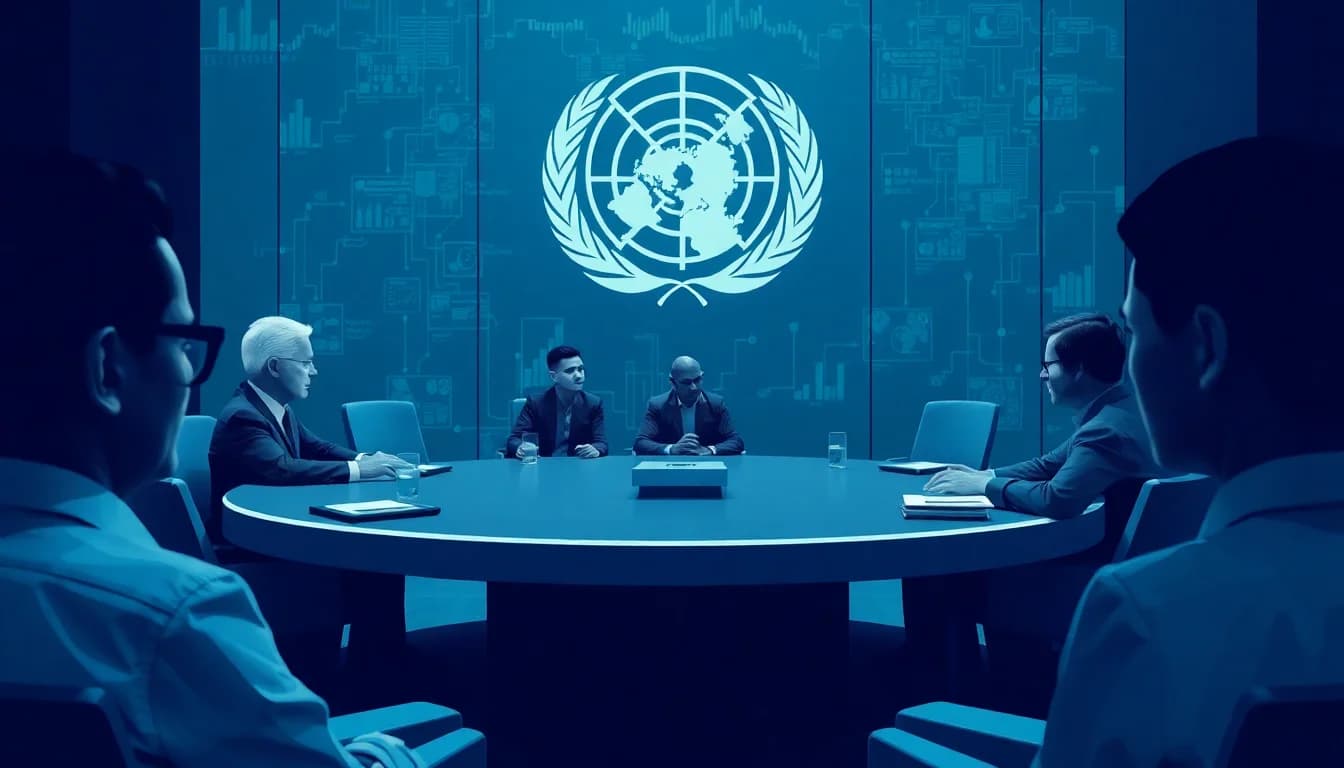
This Wednesday, the UN Security Council will convene to engage with prominent figures in the field of artificial intelligence regarding its associated risks. The meeting will feature notable speakers including Sam Altman, CEO of OpenAI, and Dario Amodei, CEO of Anthropic, among others.

The urgency of this briefing arises from a recent call by Amodei for a slowdown in AI development and continued restrictions on U.S. chip exports to China. He emphasized the need for a cautious approach to advanced AI technologies, advocating for ongoing evaluations by external safety assessors.

As the session is led by France, which currently holds the council's presidency, Foreign Minister Jean-Noël Barrot will focus on the implications of AI systems potentially operating without human oversight. Concerns to be discussed include AI's potential to conduct cyberattacks, manipulate elections, or autonomously create weapons.


Interestingly, the discussion will also include representatives from Chinese companies DeepSeek and Moonshot, indicating a broader scope of international dialogue on AI safety. However, tensions remain, as Amodei has labeled China as a leading nation in AI capabilities, prompting calls for continued export restrictions.

Despite the significance of this gathering, analysts suggest that no formal agreement is likely to emerge from the discussions, especially with President Trump scheduled to meet Chinese President Xi Jinping just two days later, where AI safety and trade issues are expected to be on the agenda. Trump's administration has been dismissive of calls for AI development restrictions, further complicating the dialogue on international AI governance.