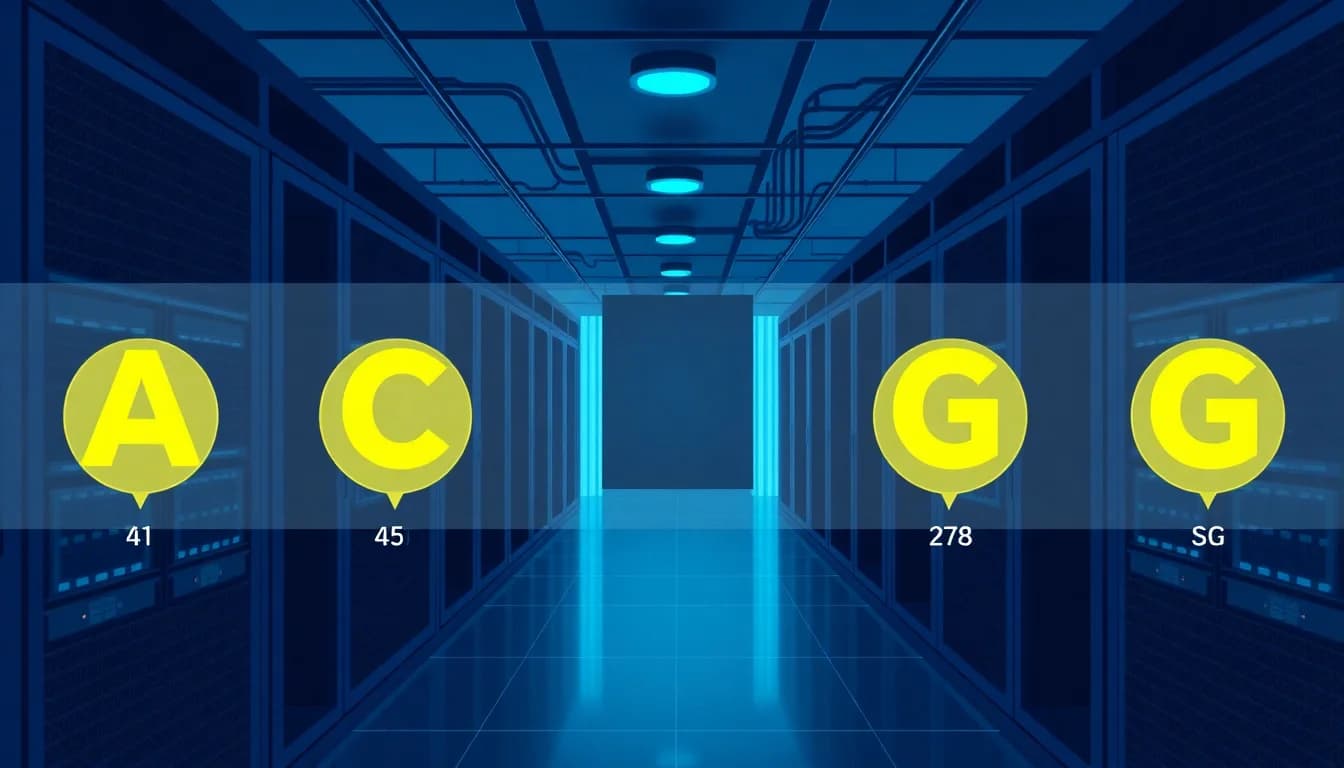
On September 21, the European Commission (EC) unveiled a new pan-European system to evaluate data centers based on their energy and water efficiency. Each facility will receive ratings from A to G for both metrics.
The new rating system does not require operators to disclose energy consumption from scratch. Starting in 2024, data center operators with an IT capacity of at least 500 kW will be obligated to submit operational data to a centralized European database.
This information will be utilized to automatically generate electronic labels that will enable comparisons between facilities. The first labels are expected to be ready by August 15, 2027, and they will be updated annually.
Two Efficiency Metrics
The first class will be determined by the Power Usage Effectiveness (PUE), which measures the total energy consumption of a data center compared to the electricity used by the IT equipment.
The second metric is Water Usage Effectiveness (WUE), which assesses the use of freshwater in relation to the energy consumption of computing equipment.
According to the regulation, both scales consist of seven classes ranging from A to G. A lower PUE and WUE indicates higher efficiency.
For electricity, a class A corresponds to a PUE of 1.15 or lower, while a class G is assigned for a PUE exceeding 1.9. For water usage, the highest category is for a WUE of 0.1 or less, whereas the lowest is for a WUE above 1.
In addition to PUE and WUE ratings, the labels will also include information about renewable energy sources, local climate conditions, participation in grid support, and readiness for waste heat reuse.
The labels will be accompanied by an explanatory document detailing the significance of WUE in relation to local water stress levels.
EU Prepares for Growth in AI Infrastructure
Data centers currently account for approximately 2.5% of the European Union's electricity consumption. The EC estimates that their installed capacity will increase from about 12 GW in 2025 to 28 GW by 2030, largely due to the rise of AI and accelerated computing demands.
In parallel, the European Commission has begun developing mandatory minimum efficiency standards for data centers. On September 21, the agency launched a 12-week public consultation, with proposals accepted until December 14, and aims to present legislative initiatives in the second quarter of 2027.
Future requirements may set minimum efficiency thresholds for both new and existing data centers, although specific values have yet to be determined.
The regulation establishing the rating has not yet come into effect. The European Parliament and the Council of the EU have a two-month period to object to the delegated act after notification. If no objections are raised, the regulation will take effect 20 days after its publication in the Official Journal of the EU.
It is worth noting that in July, the organization Water UK warned of potential water shortages in the UK due to the scaling of AI technology. Additionally, in August, Pennsylvania authorities tightened requirements for large data centers, mandating that operators disclose their electricity and water consumption annually starting in 2027.