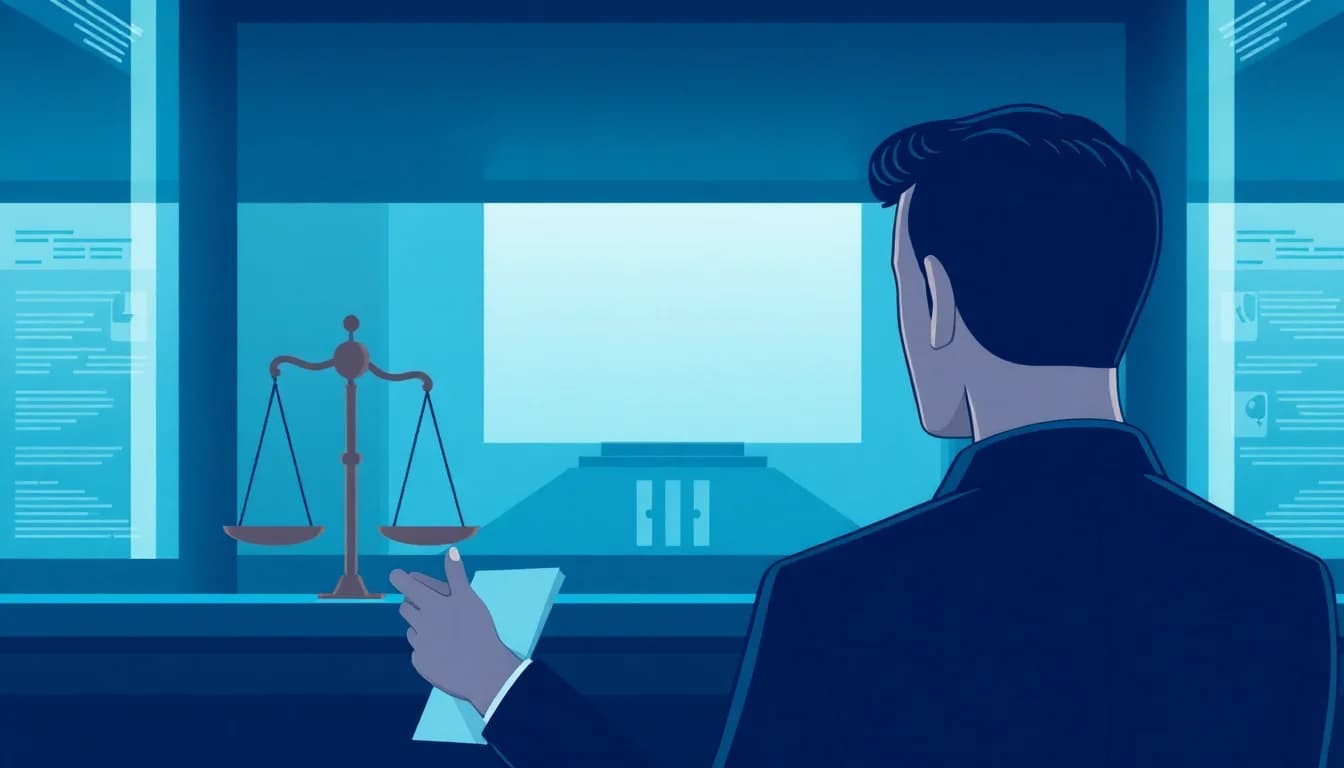
On September 9, attorney Steven Aarons was fined $5,000 for submitting appellate materials that included fictitious testimonies created by the ChatGPT chatbot. This ruling was reported by the New Mexico Supreme Court.
Aarons represented Oscar Rene Sandoval, who was sentenced to life imprisonment in February 2025 for the murder of Shirin Al-Jibouri, along with an additional four and a half years for armed assault on a witness.
How the Fabricated Testimonies Made Their Way into Court Documents
According to Ars Technica, Aarons uploaded a transcript of the trial and other case materials into ChatGPT to obtain a summary. In August 2025, he filed the document generated with the help of the chatbot in court.
A few weeks later, the prosecution requested to exclude certain information from it.
The appellate documents included four fictitious witnesses, among them two police officers. Additionally, false testimonies were attributed to real participants regarding threats from the convicted individual, as well as details about the shooter's clothing and appearance.
Furthermore, the document distorted the content of two legal precedents.
Aarons admitted that he signed and submitted the text without verifying the facts and legal references. He did not inform his client about the mistakes or the investigation initiated by the court regarding his conduct.
In a statement to Reuters, the lawyer explained that he did not realize the extent to which AI could fabricate facts.
What the Court Decided
The court found Aarons guilty of contempt and referred the case to the disciplinary committee. He has been prohibited from practicing before the state Supreme Court until the investigation concludes.
The fine must be paid to the client protection fund of the state bar within 30 days.
All previously submitted written positions have been excluded from the case. A new public defender has been assigned to prepare the appeal, which is expected to continue during the 2026-2027 court term.
During the hearing, judges emphasized that the responsibility for verifying the document lies with the signing attorney, regardless of the tools used. Aarons later told Ars Technica:
“I regret this, but I hope the disciplinary committee will consider that it was a good faith mistake.”
It is worth noting that in May 2023, attorney Steven Schwartz presented fabricated ChatGPT precedents in a case against Avianca Airlines, claiming he was also unaware of the chatbot's ability to generate false information.