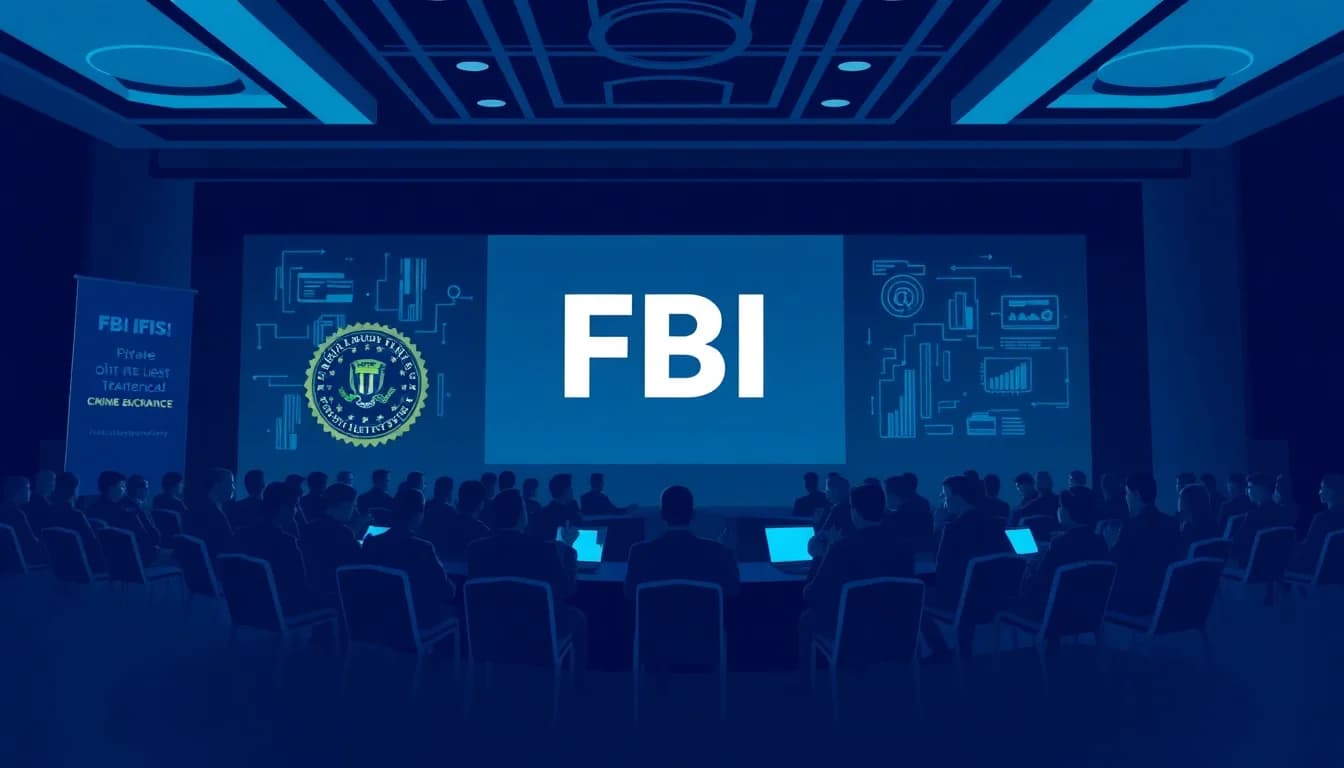
The FBI's Virtual Asset Technical Exchange, an annual event focused on digital asset crimes, recently took place in San Antonio, Texas, attracting hundreds of law enforcement officials and crypto-security experts.
The Virtual Asset Technical Exchange gathers law enforcement and security specialists to share insights on a variety of digital asset-related crimes.
By Will Canny|Edited by Cheyenne Ligon
This year's three-day gathering, which happened this September, saw participation from a diverse group of attendees including law enforcement, compliance experts, and professionals from the crypto-security sector. The discussions at the event highlighted the role of cryptocurrencies in terrorism, fraud, human trafficking, and cybercrime, as well as the importance of intelligence sharing between the industry and law enforcement agencies.
For the past nine years, the FBI has organized this forum, previously known as the Virtual Currency Symposium, to facilitate collaboration among various stakeholders in the fight against crypto-related crimes. Notable blockchain forensics firms like Chainalysis and TRM Labs were present, with presentations that included insights on stablecoin compliance and the latest in cyber threats.
The event is invitation-only, limited to about 50 private-sector vendors, yet overall attendance can reach into the hundreds. The program features a mix of keynote speeches, panel discussions, and networking opportunities, allowing companies to showcase their technologies in demo rooms.
Topics covered during the symposium included the misuse of virtual assets by criminal organizations, child exploitation, and cyber-enabled scams. Attendees also discussed emerging hacking techniques and how to better collaborate with law enforcement to combat these threats.
While the event is not a secret, it has not garnered significant media attention, relying instead on posts from attendees for public visibility. A LinkedIn post confirmed next year's symposium will take place in Austin, Texas, and past attendees have noted the increasing involvement of the crypto industry in the discussions.
Initially, the gathering was primarily attended by government officials, but it has evolved to include more participants from the crypto sector. The focus remains on practical solutions to combat illicit activities, including a detailed discussion on the Drift exploit, where hackers stole over $270 million from a decentralized exchange.
Unlike the flashy atmosphere of mainstream crypto conferences, the FBI's symposium is characterized by its serious tone, with a focus on national security and law enforcement strategies aimed at arresting perpetrators and recovering stolen assets. As the use of digital assets in illicit activities has grown, the FBI established its Virtual Assets Unit to enhance its investigative capabilities.
“What’s good about the event is seeing how law enforcement is dealing with illicit activity. They take it very seriously,” remarked one attendee, underscoring the importance of this gathering in the ongoing fight against crypto-related crime.