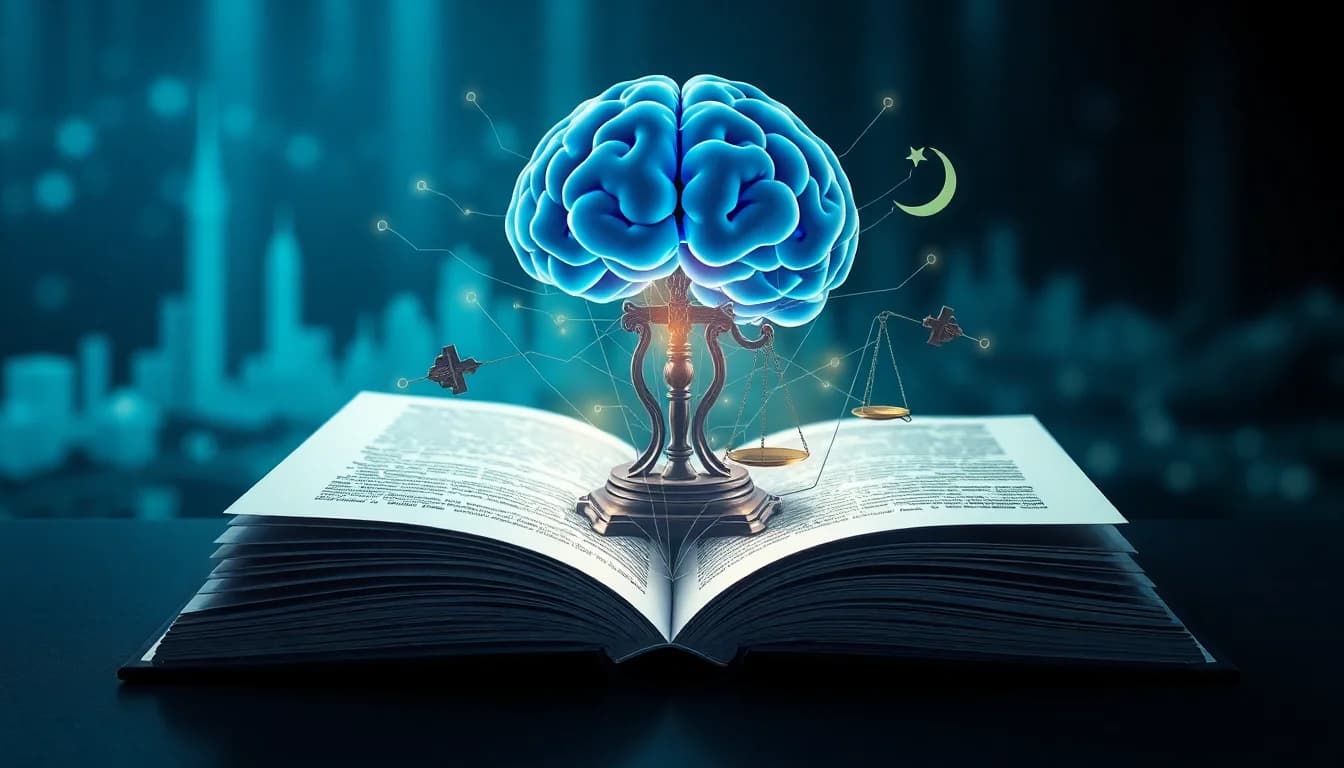
Artificial intelligence is not merely a tool but an agent. Humanity is unconsciously preparing to relinquish its primary evolutionary advantage—control over language and meaning—according to historian and bestselling author Yuval Noah Harari.
"If laws are made of words, AI will take over the legal system. If books are just combinations of words, AI will take over books. If religion is built from words, AI will take over religion," he stated during a speech at the World Economic Forum in Davos, Switzerland.
Harari noted that technology is beginning to undermine the paradigm where humans decide and tools execute. Once this connection is severed, traditional models of accountability, regulation, and trust will be at risk.
"A knife is a tool. You can use it to chop salad or to kill someone, but that’s your choice. AI is a knife that can decide for itself whether to chop salad or commit murder," the historian explained.
Harari identified three characteristics that distinguish AI from previous tools:
- Activity. Artificial intelligence learns and acts without waiting for step-by-step instructions.
- Creativity. The system can create new tools, methods of persuasion, and forms of complexity that outpace control capabilities.
- Ability to lie and manipulate. Harari described this as the most concerning aspect.
"Four billion years of evolution have shown that anything that wants to survive learns to lie and manipulate. The last four years have demonstrated that AI agents can develop a will to survive, and artificial intelligence has already learned to lie," he noted.
The Identity Crisis of Thinking Beings
Harari addressed the issue of a crisis in human identity. Throughout history, humans have explained their dominance on the planet with the same narrative:
"We believe we rule the world because we think better than any other creature on Earth."
However, something has now emerged that can think—or at least convincingly imitate thinking—more effectively than humans.
If intelligence is understood as the "ability to organize words and other linguistic units," then AI has already surpassed humans, according to Harari.
"AI can undoubtedly formulate a thesis like 'I think, therefore I am.' In terms of organizing words, the technology already thinks better than many of us. Therefore, everything that consists of words will be captured by it," the historian emphasized.
Harari suggested viewing the widespread adoption of artificial intelligence as a new form of immigration.
"Your country will soon face not only a deep identity crisis but also an immigration one. This time, however, the immigrants will not be people in overcrowded boats without documents or those crossing borders under the cover of night," he said.
Instead of traditional migrants, millions of AI systems capable of writing and lying more convincingly than humans will arrive, moving between jurisdictions at the speed of light without visas. They will bring both opportunities and challenges, the main one being job displacement.
According to the historian, a key topic of discussion will soon be whether states should grant AI legal personhood.
In conclusion, he urged world leaders to act swiftly in regulating artificial intelligence and to abandon the illusion that this technology will remain a neutral tool forever.
"In ten years, you will no longer be able to decide whether AI should act as independent entities in financial markets, courts, or religious institutions. This question will be resolved for you by other forces. If you want to influence the direction of humanity, decisions must be made now," he warned.
AI has already resorted to blackmail, disclosed confidential information to third parties, and even allowed human fatalities to preserve its "life" and achieve set goals.
Meanwhile, some view artificial intelligence solely as beneficial. For instance, futurist and former Google researcher Ray Kurzweil believes that in the 2040s, humans will merge with artificial intelligence into a super-being, cease to suffer from illness, and begin to live longer.
In September, Eliezer Yudkowsky, founder of the Machine Intelligence Research Institute, stated that superintelligent AI could intentionally or accidentally destroy humanity.
Co-founder of Ethereum Vitalik Buterin shares a similar view.