Protesters Demand AI Development Moratorium
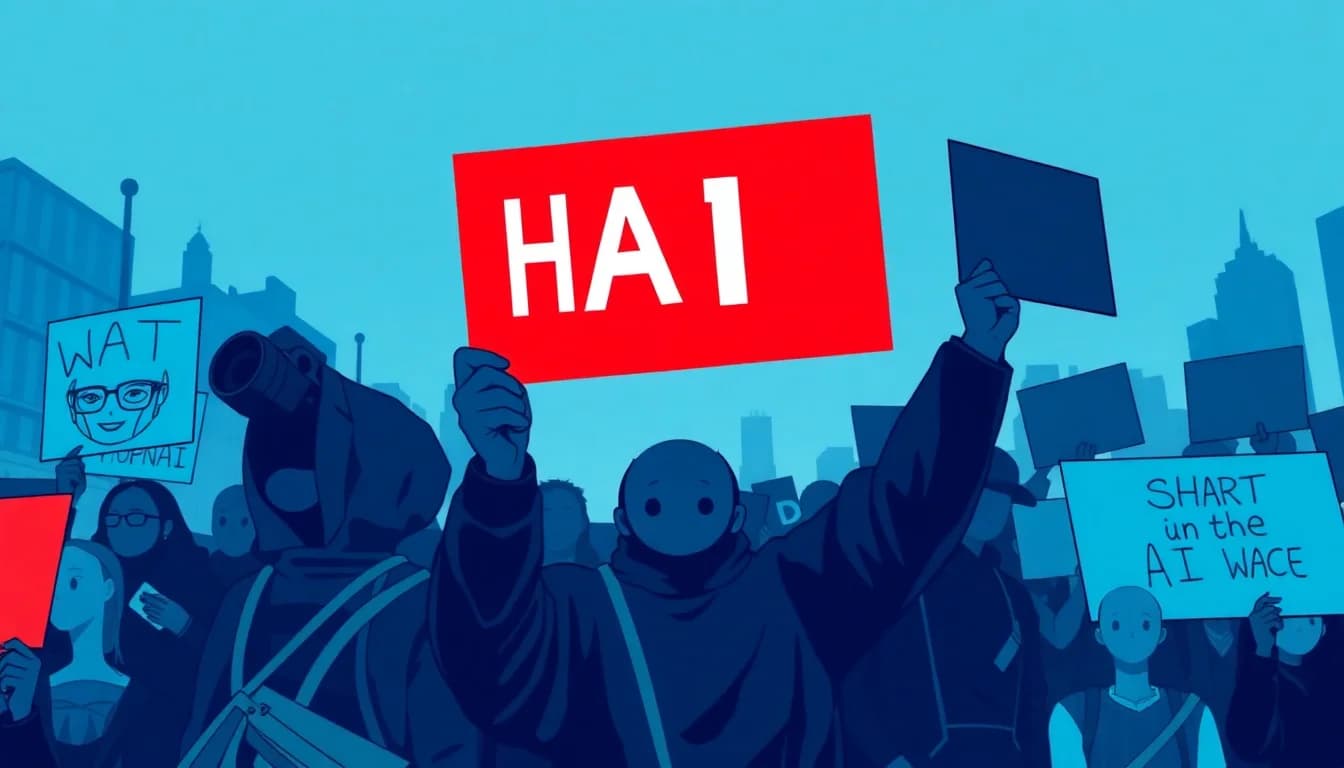
In San Francisco, around 200 demonstrators gathered outside the offices of major AI companies OpenAI, Anthropic, and Google DeepMind, calling for a halt to the development of advanced AI technologies. Organized by Stop the AI Race, the protest centered on fears surrounding AI safety, job displacement, environmental impact, and rising housing costs in the area.
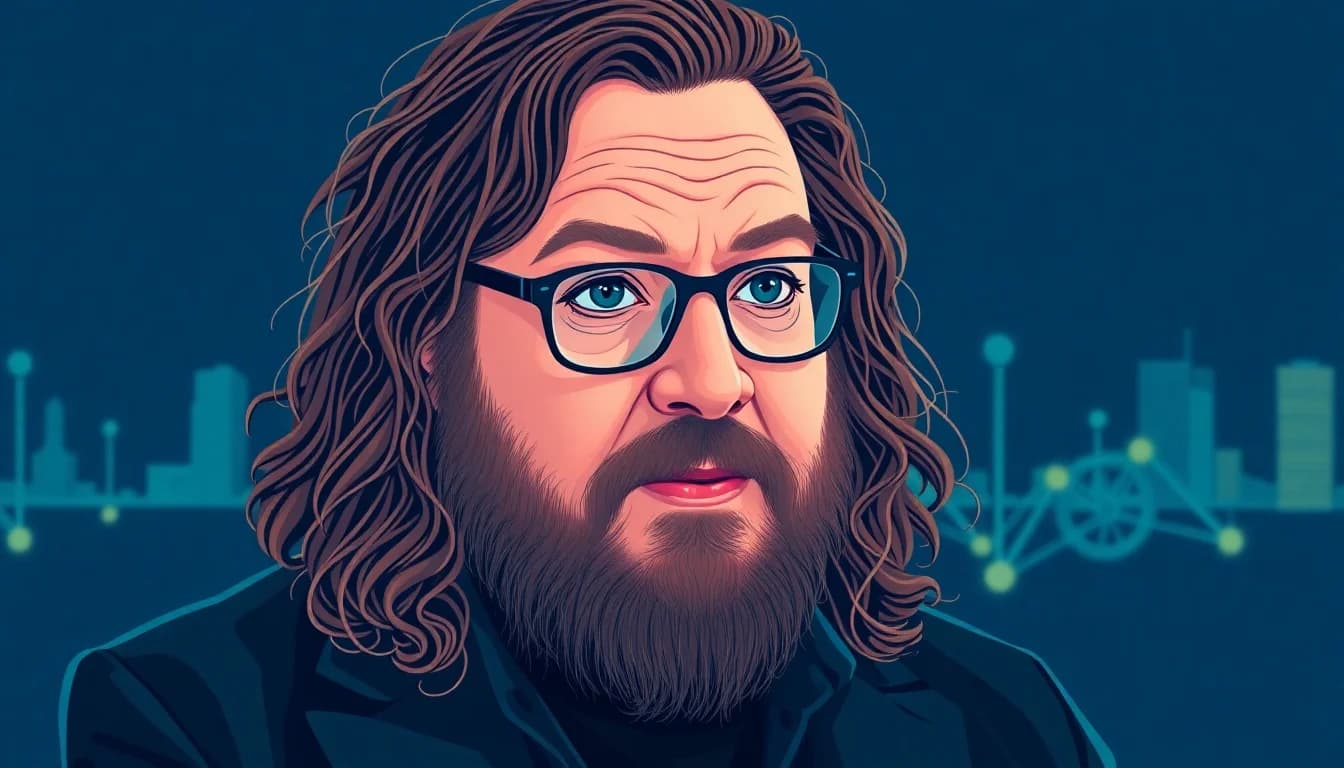
Leading the protest was former AI researcher Michaël Trazzi, who urged these companies to stop training new AI systems while maintaining existing technologies. Trazzi emphasized the need for a shift in focus towards AI safety and alignment until stronger protective measures are implemented. Many participants advocated for increased regulations at both local and state levels.
Trazzi reflected on the evolution of the group's goals since their initial protest in March, stating, "I've come to realize that CEOs are actually paying attention... Protests serve as a valuable tool to demonstrate public interest." This demonstration follows a similar event in March, where protesters also advocated for a unified pause on frontier AI development. The movement has gained traction, with Trazzi noting endorsements from organizations like the National Union of Healthcare Workers and collaboration with local groups.
Despite the ongoing protests, OpenAI, Anthropic, and Google DeepMind have yet to respond to inquiries regarding the demands. The organizers remain committed to pushing for a global pause on advanced AI development and advocating for stricter oversight from lawmakers, highlighting the rising concerns about AI safety.
Recent developments in AI safety measures include OpenAI's introduction of new features for ChatGPT aimed at identifying self-harm and violence, amidst ongoing scrutiny of AI's handling of sensitive issues. Furthermore, the Trump administration previously mandated Anthropic to suspend access to certain AI models due to cybersecurity risks. A recent UN report also warned of the potential for "catastrophic harm" as AI technology continues to advance faster than current scientific understanding and regulations can keep pace.