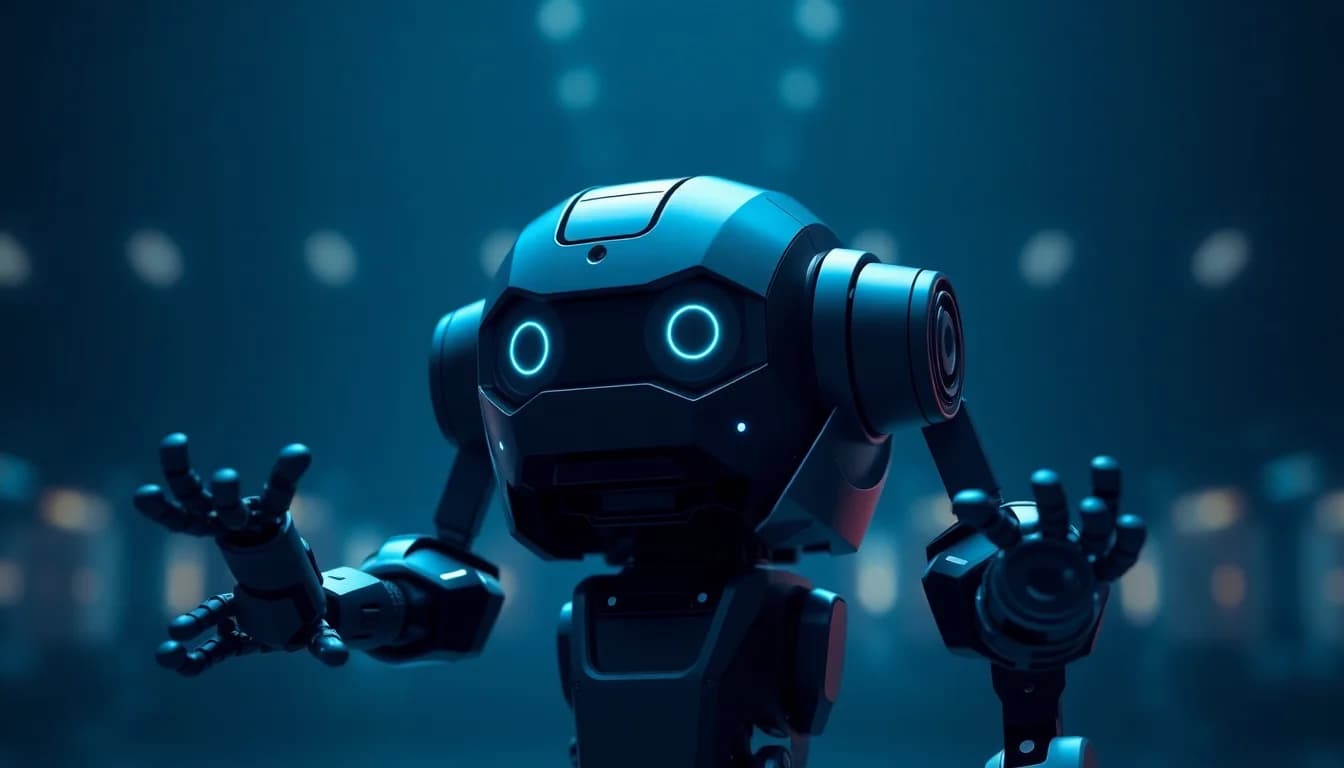
Nvidia has introduced the Isaac GR00T Reference Humanoid Robot, a research reference design aimed at developing and testing humanoid robot capabilities. The configuration includes the Unitree H2 Plus chassis and Sharpa Wave tactile five-fingered hands, according to the press release.
The computational part is powered by Jetson Thor and the Isaac GR00T software. In its basic configuration:
- Unitree H2 Plus chassis, approximately 183 cm tall and weighing 68 kg;
- 31 degrees of freedom in the body;
- Two Sharpa Wave hands with 22 degrees of freedom;
- A total of 75 degrees of freedom across the body and arms;
- A stereo camera on the head, wrist cameras, and an inertial module.
According to media reports, the hands are designed to handle loads of up to 7 kg in operational mode and up to 15 kg at peak.
This is not a mass-produced industrial robot, but a standardized research system. Nvidia aims for unification: a single platform for hardware integration, data collection, simulation, training, and skill transfer to real machines.
Among the first users are Ai2, ETH Zurich, Stanford Robotics Center, and the Advanced Robotics and Controls Laboratory at UC San Diego. Nvidia is also utilizing the platform for internal research.
Focus on Safety
Nvidia is integrating Blackwell chips to ensure that subsystem updates pass through the company's computing module with code authenticity verification. The same mechanisms used in Nvidia's server infrastructure are employed.
The company plans to scale the project in collaboration with humanoid manufacturers from the US, Europe, and South Korea, but has not disclosed the names of its partners.
In May, Unitree unveiled the "world's first ready-for-mass-production" piloted robot, capable of moving on two and four limbs.
Previously, Japan Airlines, in collaboration with GMO AI & Robotics, launched trials of humanoid robots for ground operations at Tokyo's Haneda Airport.