Generational Divide on AI in Filmmaking
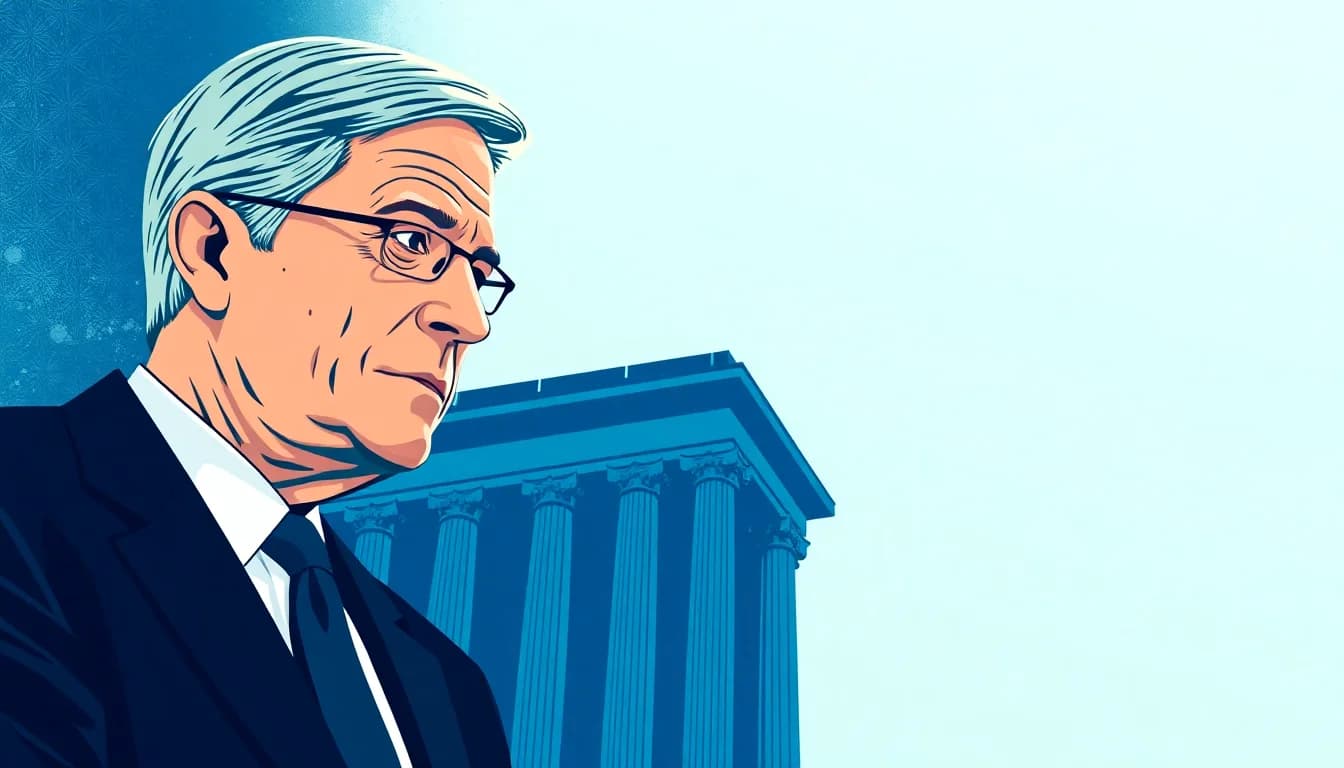
Christopher Nolan, celebrated director of "The Odyssey," has raised alarms about generative AI's reception among younger viewers, stating they are "completely rejecting" the technology. This sentiment was shared during a promotional event where he expressed that the youth's swift dismissal is unprecedented in his experience.
Nolan referenced feedback from his own children, who are in their late teens and early twenties, indicating they quickly perceive generative AI as subpar. He remarked, "Their judgment of AI slop has been immediate and harsh," attributing their critical view to their familiarity with the online landscape from which AI has emerged.
The director believes this technological shift has coincided poorly with a resurgence in demand for authentic storytelling among filmmakers, following a trend heavily reliant on virtual environments. His own filmmaking style, known for practical effects—such as crashing a plane in "Tenet"—contrasts with the growing reliance on AI-generated content.
Industry Perspectives on AI
The introduction of generative AI has divided the film industry. While directors like Guillermo del Toro and Steven Spielberg have voiced strong opposition, others, including Martin Scorsese and James Cameron, are exploring its potential. In a surprising turn, Ben Affleck has changed his stance on AI, selling his startup to Netflix after initial skepticism.
As the debate rages on, AI companies are developing tools aimed at enhancing filmmaking, such as Utopia’s PAI, designed to maintain scene consistency. The ongoing discussions reflect broader concerns about the role of technology in creative processes and the future of storytelling in cinema.