Summary
- As of October 1, it will be illegal in Hawaii to operate a kiosk that accepts cash for digital assets.
- Kiosks will still be able to dispense cash for cryptocurrency or facilitate exchanges between digital assets.
- Investigations by the attorneys general of Iowa and Washington, DC revealed that over 93% of transactions at these kiosks were scams.
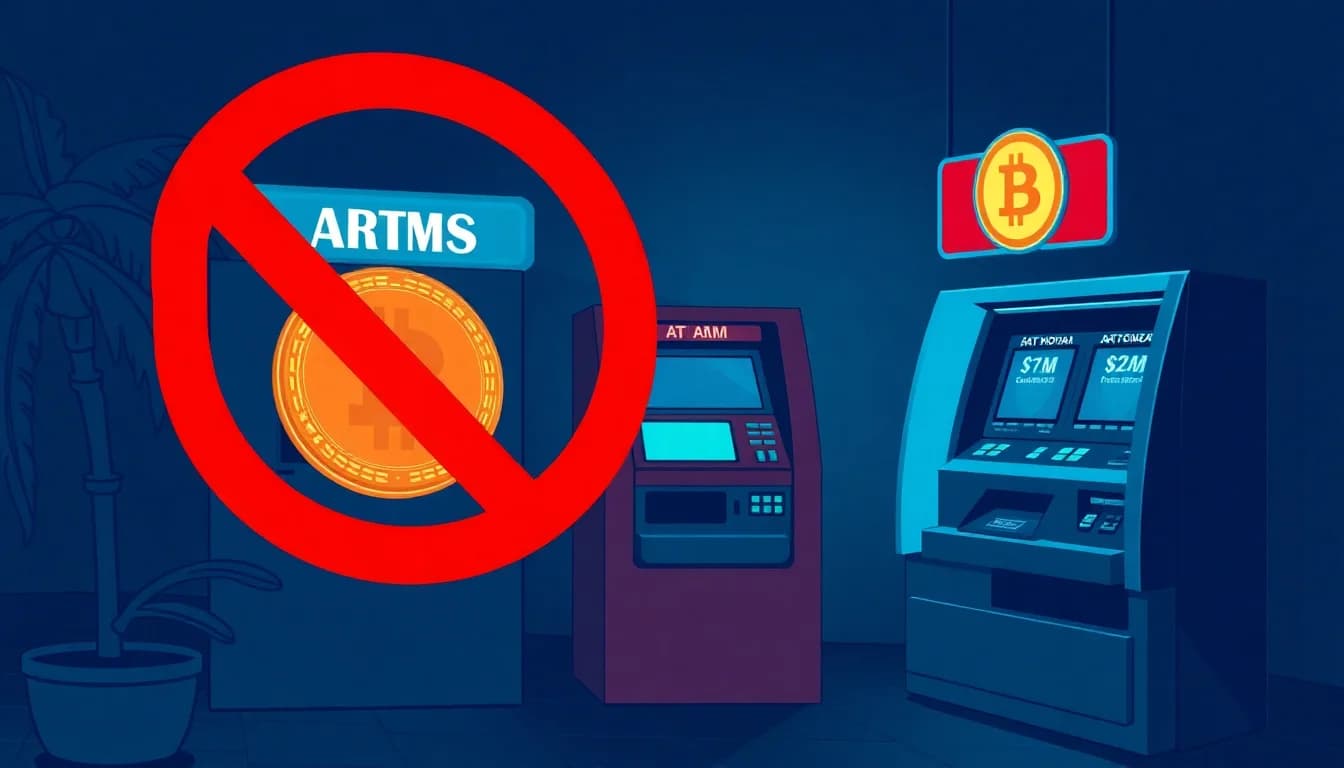
Beginning October 1, Hawaii will enforce a law that prohibits the operation of crypto kiosks accepting cash payments, following the signing of Act 224 by Governor Josh Green on July 9.
This legislation amends the state's consumer protection laws to make it illegal for operators to manage kiosks that "accept United States currency from a customer in exchange for a digital financial asset." Each infraction will be treated as a separate violation.
However, the law does not mandate the shutdown of existing machines. According to the official text, operators can still maintain kiosks that facilitate exchanges between digital assets or accept digital assets in return for cash. This means customers may still sell cryptocurrency at these kiosks and receive cash, but they cannot use cash to purchase crypto.
This legislative measure aims to address the growing issue of scams, particularly those targeting the elderly. A committee report identified that these kiosks have increasingly been exploited in scams where victims are lured into transferring cryptocurrency to scammer-controlled wallet addresses.
Focus on Cash Deposits
The same report highlighted findings from investigations by the attorneys general of Iowa and Washington, DC, which determined that more than 93% of kiosk transactions were fraudulent. Given that there are alternative avenues for acquiring digital assets, the committee deemed a complete ban on cash purchases necessary.
In 2025, the FBI's Internet Crime Complaint Center recorded 92 complaints related to kiosks from Hawaii residents, amounting to $3.85 million in adjusted losses—nearly four times the losses reported the previous year. Overall, there were 826 cryptocurrency-related complaints from the state, totaling around $80 million. Hawaii's banking commissioner, Dwight Young, remarked to Hawaii News Now that these machines are attractive to criminals due to their anonymity and difficulty in tracing, with scams often beginning through unsolicited communications claiming issues with bank accounts or jury summonses.
Employees near the kiosks reported to the state's consumer affairs department that many users appear to be kupuna, or elderly individuals, who seem distressed or anxious.
Currently, around 57 crypto ATMs are operational across four islands in Hawaii, as reported by CoinATMRadar. Other states are considering similar legislation; for instance, Texas lawmakers are contemplating a ban after residents lost $57 million to kiosk scams, while Delaware has already introduced its own bill addressing the issue.