Summary
- Texas Tech has finalized a $70 million, 15-year agreement with Galaxy Digital to rename its football stadium.
- This collaboration designates Galaxy as the official partner for digital assets and opens up new NIL avenues for student-athletes.
- The arrangement aligns with Galaxy’s transition from cryptocurrency trading to focusing on AI and high-performance computing infrastructure in Texas.
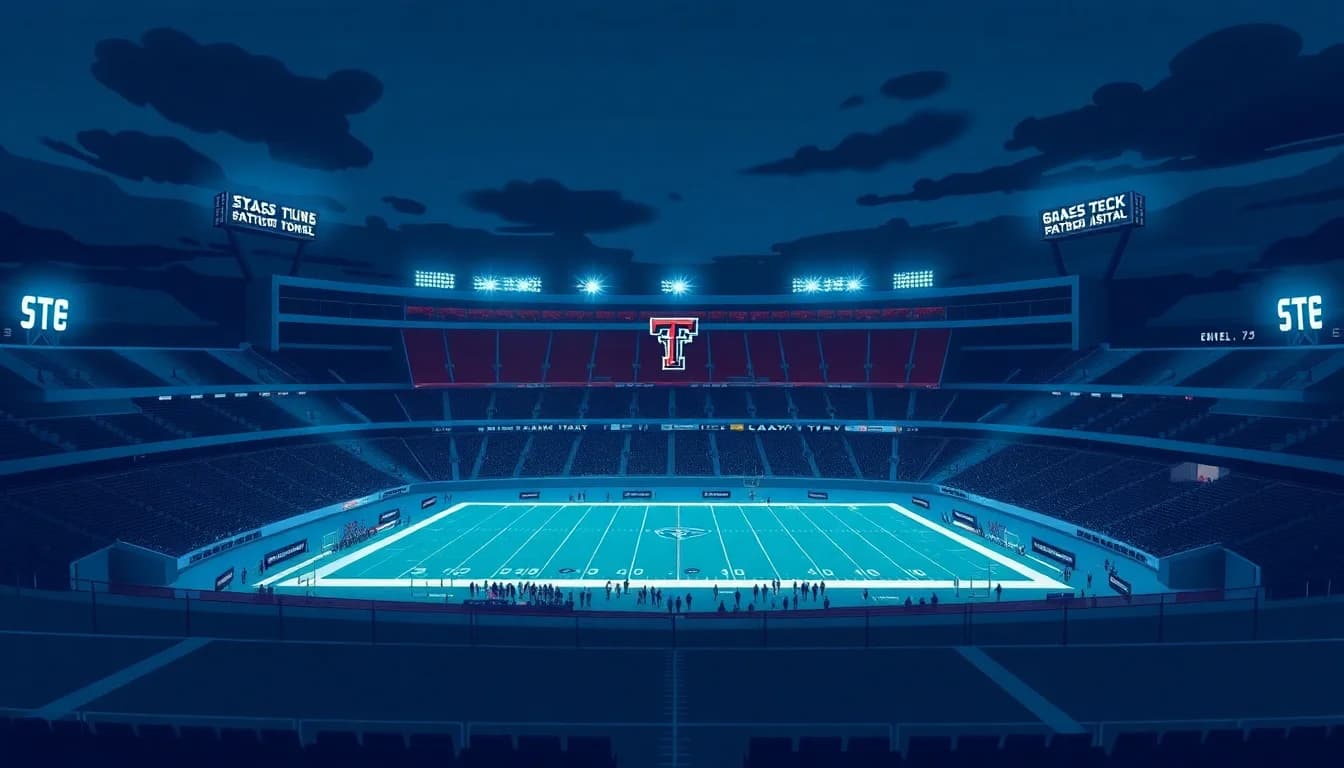
Beginning with the 2026 season, the football stadium of Texas Tech—currently known as Jones AT&T Stadium—will be renamed Galaxy Stadium. The Nasdaq-listed company Galaxy Digital (GLXY) revealed this 15-year naming rights agreement with Texas Tech on Friday.
This announcement comes at an opportune moment for the Red Raiders, who recently clinched the Big 12 title and qualified for the College Football Playoff. The inaugural game in Galaxy Stadium is scheduled for September 5 against Abilene Christian.
"We are excited to announce Galaxy as our new naming rights partner for the football stadium," stated athletics director Kirby Hocutt in a press release. "This long-term partnership with Galaxy will positively influence Texas Tech Athletics for years to come."
With a value exceeding $70 million, this deal positions Galaxy as the official data center and digital assets partner for Texas Tech Athletics, extending its branding to football and both men's and women's basketball, along with NIL opportunities for student-athletes through "branded activation campaigns and original content."
"At our Helios campus in Dickens County, we are developing the infrastructure that drives the code economy," remarked Galaxy CEO Mike Novogratz.
Galaxy is investing billions into its Helios data center campus in Dickens County, which has received approval for 1.6 gigawatts of capacity aimed at high-performance computing. Novogratz described it as "the infrastructure that powers the code economy," and assured the community of local hiring and a commitment to being a responsible neighbor.
What motivates a cryptocurrency company to invest in a football stadium? The answer lies in gaining visibility and credibility—both of which naming rights provide. For instance, Crypto.com secured naming rights for the F1 Miami Grand Prix, while FTX attempted to acquire rights for an NBA arena just before its downfall, highlighting the long-term risks associated with 15-year agreements with crypto firms.
Galaxy has experienced its share of ups and downs, with its stock price plunging following a $482 million loss in a single quarter, leading to a shift from a focus on crypto trading to the more stable and energy-intensive sector of AI and HPC data centers.
This strategic pivot underlines the rationale behind the deal. Bitcoin miners and crypto-focused companies are becoming unexpected key players in the AI infrastructure landscape; Bernstein has referred to them as "unlikely power brokers" in this domain. Galaxy’s Helios project ranks among the largest developments in North America.
However, large-scale data centers in drought-affected West Texas are facing criticism due to concerns over water usage and grid strain, and Galaxy’s "closed-loop" water system will likely be scrutinized in light of these issues.