Regulatory Developments in Crypto Market
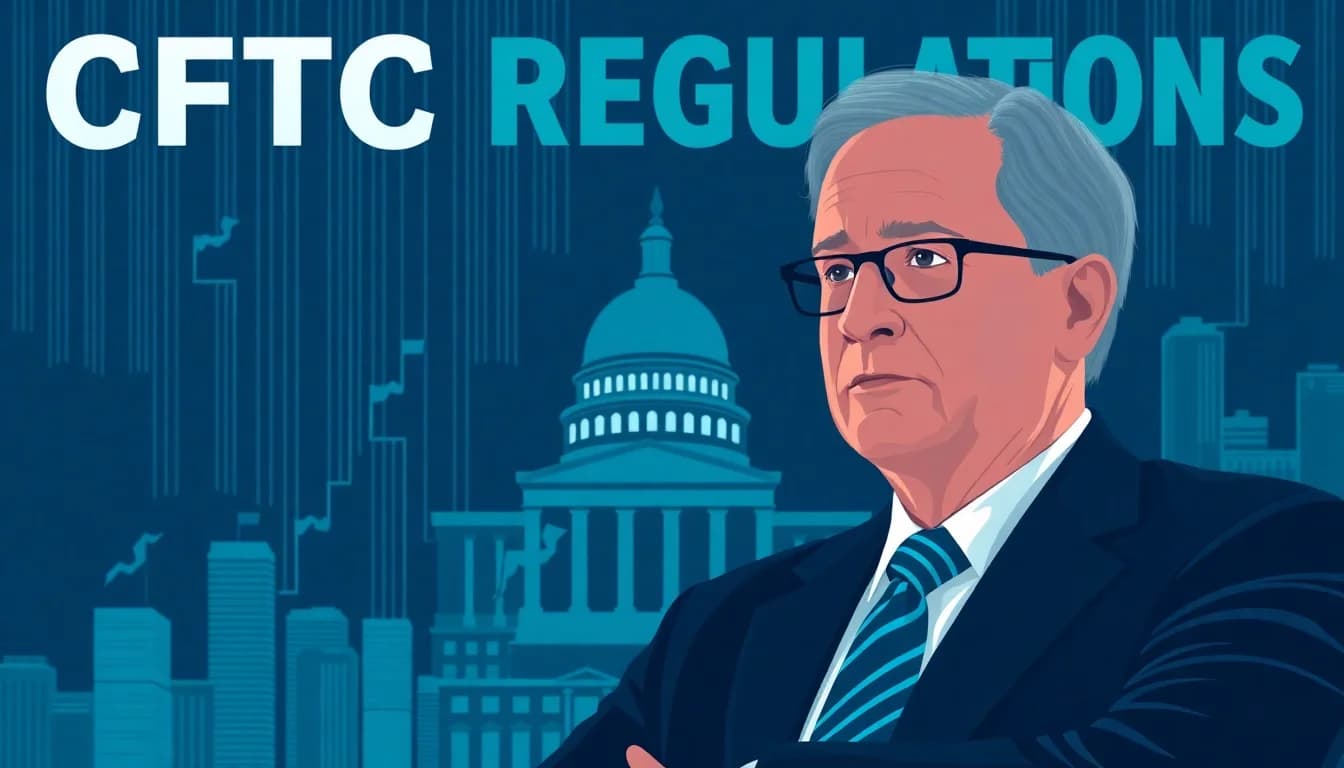
Michael S. Selig, the Chair of the Commodity Futures Trading Commission (CFTC), has initiated steps to draft regulations for the cryptocurrency market. This action is a contingency plan should the Clarity Act fail to progress in Congress.
During a recent meeting of the CFTC's Innovation Advisory Committee, Selig expressed his preference for bipartisan legislation to define the regulatory framework for digital assets. He underscored the importance of the Clarity Act, which aims to delineate the roles of the CFTC and SEC in overseeing crypto markets, stating that its passage is vital for the industry's stability.
“Passing Clarity is the most effective means to prevent another Gary Gensler from conducting a campaign of legal intimidation,” Selig noted, referencing the former SEC chair's aggressive legal actions against crypto firms.
In light of potential delays, Selig has directed his team to explore the creation of regulatory structures under the CFTC's existing authority. This framework could encompass both registered and non-registered crypto exchanges, allowing them to engage in leveraged trading tailored for digital assets.