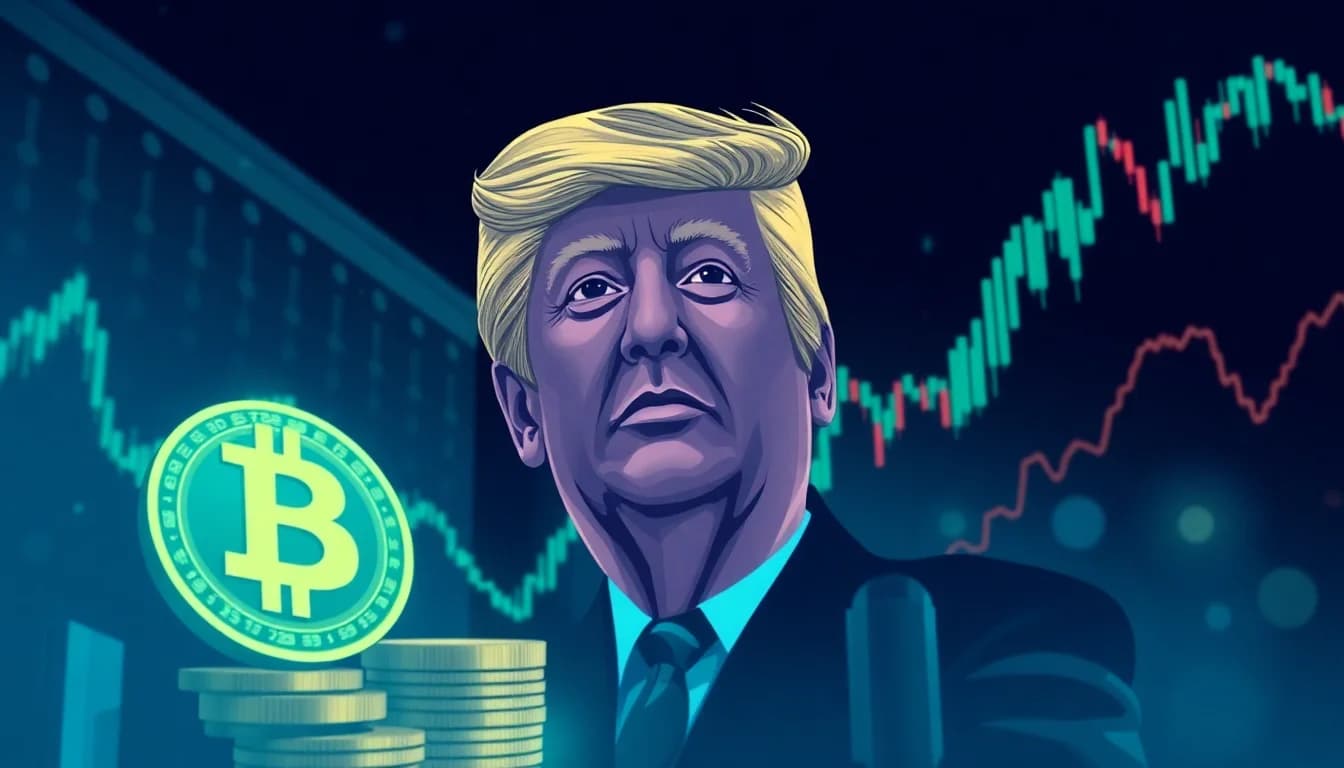
Bitcoin has surpassed $64,000 following a significant decline in U.S. inflation, raising hopes for a stable interest rate from the Federal Reserve.
Bitcoin Climbs Above $64,000
On Tuesday morning, Bitcoin surged past the $64,000 threshold, following the release of inflation data indicating a significant drop in consumer prices for June. This decline has led to speculation that the Federal Reserve may hold interest rates steady in their upcoming meeting.
Key Inflation Data
The U.S. Bureau of Labor Statistics reported a 0.4% decrease in the Consumer Price Index, marking the largest monthly drop since April 2020, while economists had anticipated a mere 0.1% decline. Following this announcement, Bitcoin stabilized around $64,300, reflecting a 2.3% increase for the day. Ethereum also saw substantial gains, rising by 5.4% to around $1,890.
Market Reactions
The notable decline in consumer prices was largely attributed to falling energy costs, despite rising expenses in food and housing, resulting in a year-over-year inflation rate of 3.5%. This marked the first decline in inflation in five months.
Fabian Dori, Chief Investment Officer at Sygnum, described the inflation figures as a positive sign for the cryptocurrency market, suggesting that the energy-driven inflationary pressures are easing rather than expanding. However, ongoing geopolitical tensions, particularly between the U.S. and Iran, continue to introduce uncertainty into the market.
Interest Rate Expectations
Market participants are increasingly optimistic that the Federal Reserve will keep interest rates stable in the range of 3.5% to 3.75% this month, although a 25-basis-point hike is still expected in September. Heightened geopolitical tensions complicate the Fed’s efforts to meet its 2% inflation target, with analysts like Matt Mena from 21Shares indicating that these conflicts could impact cryptocurrency valuations. He noted, "As long as tensions with Iran don't escalate, the fundamentals and catalysts appear to be aligning for a $100,000 push by the end of the quarter."
Geopolitical Tensions
As the U.S. military prepares to reinstate its blockade on Iranian ports amid escalating conflicts over the strategically important Strait of Hormuz, the situation adds a layer of complexity to the economic landscape.