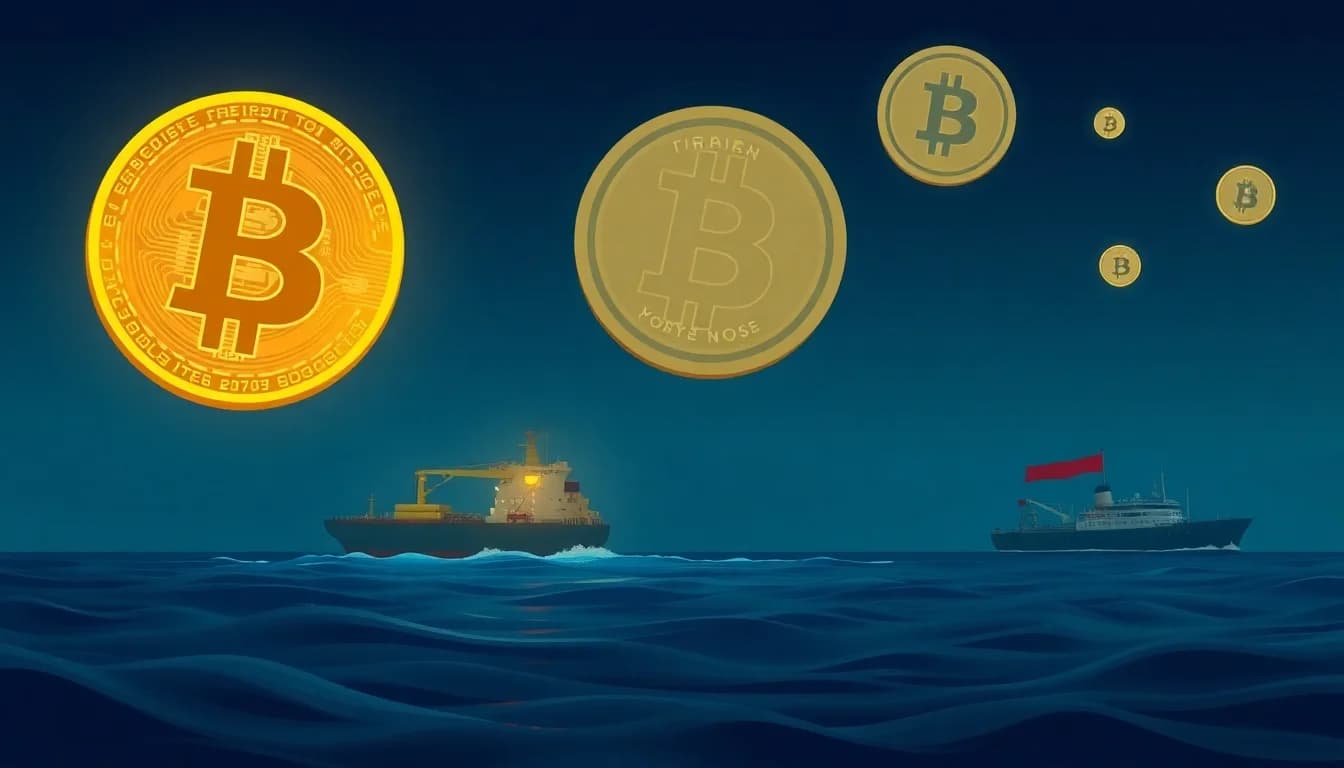
Scammers are posing as Iranian authorities, demanding Bitcoin for safe passage through the Hormuz Strait, with at least one vessel reportedly affected.
Scammers are impersonating Iranian officials, offering safe passage through the strategic Hormuz Strait in exchange for Bitcoin or USDT. This alarming scheme was brought to light by the Greek maritime risk management firm Marksis, as reported by Reuters.
Investigators reviewed a communication sent by these fraudsters to shipping companies, which required them to submit documentation for verification by Iran's security service. Subsequently, firms were instructed to pay a transit fee in cryptocurrency, allegedly guaranteeing unhindered access through the strait at a specified time.
Reports indicate that at least one vessel may have been deceived, having attempted to navigate out of Hormuz on April 18 before coming under fire.
Current Status of the Hormuz Strait
Earlier this month, the Financial Times noted that Iran plans to demand cryptocurrency payments from shipping companies for strait passage, although no official confirmation has been released.
Experts have deemed Tehran's proposals as "practically unfeasible," citing ongoing sanctions and the transparency of blockchain technology, which could complicate matters for Western companies.
Iranian officials had initially announced the reopening of the Hormuz Strait on April 17, but tensions escalated shortly thereafter. U.S. President Donald Trump issued threats to destroy Iranian infrastructure if negotiations falter.
This led to speculation that Iran might skip upcoming negotiations while the U.S. continues its maritime blockade. A new round of talks between U.S. and Iranian representatives is set for April 22, as reported by Axios, but the situation remains precarious amid ongoing threats from both sides.
Experts from Bitwise suggest that the ongoing conflict in the Middle East could push Bitcoin closer to becoming a legitimate payment method.