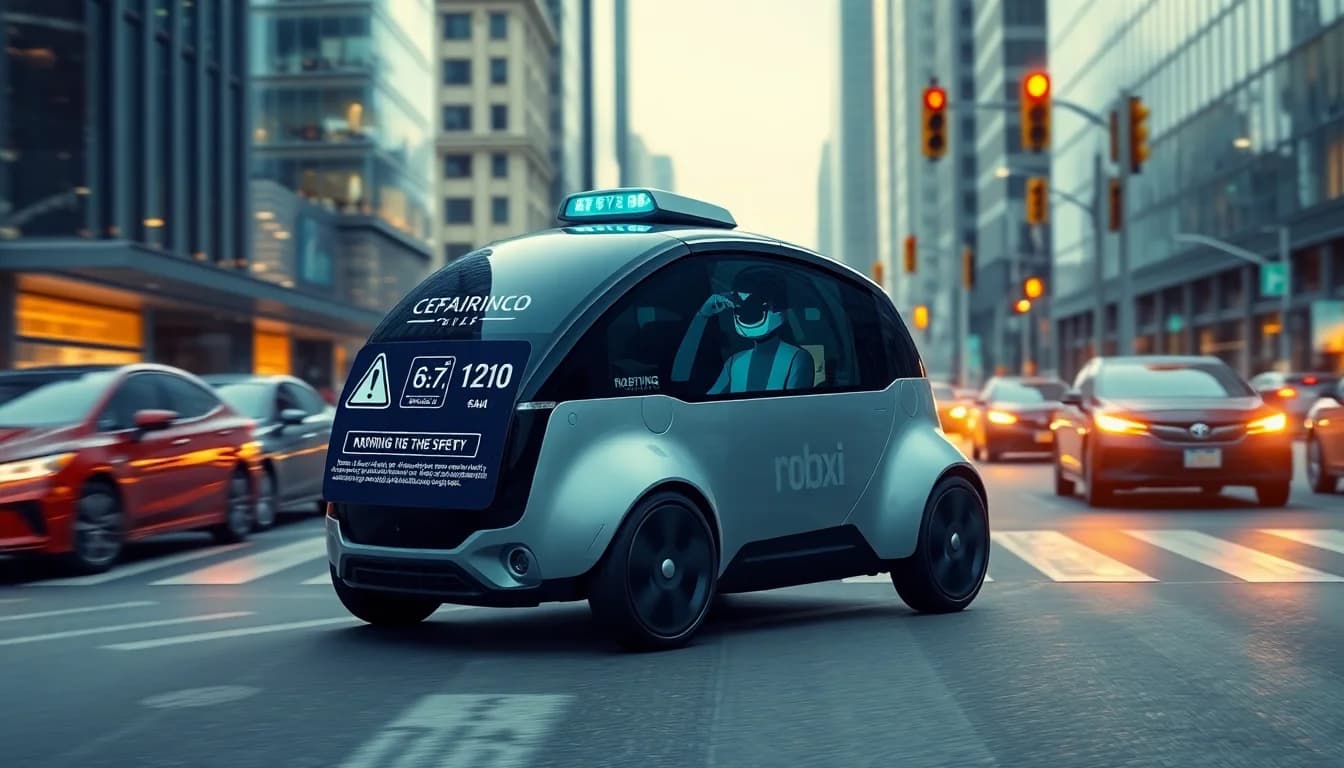
Dozens of Baidu's Apollo Go robotaxis halted in the middle of traffic in Wuhan, China, leading to collisions and trapping passengers inside the vehicles.
NEW: Dozens of robotaxis by Baidu stopped on the road in Wuhan, causing crashes on highways and trapping passengers in the cars—some for more than an hour. One passenger told me it took her 30 minutes to even connect to a customer representative.
— Zeyi Yang 杨泽毅 (@ZeyiYang) April 1, 2026
Here’s a video of a crash. pic.twitter.com/fTitNMv8kj
One passenger reported it took her half an hour to reach customer support. Eventually, people were able to exit the vehicles safely.
The incident was confirmed by local traffic police, who stated that some cars had stopped right in the roadway.
"Preliminary data indicates that the situation arose due to a system failure," law enforcement added.
Authorities and Apollo Go staff are continuing their investigation.
Wuhan is the largest operational area for the company’s robotaxis, with over 1,000 autonomous vehicles in service.
Baidu is actively investing in and developing its autonomous transport division, similar to Alphabet's Waymo. Both companies have become leaders in the rapidly growing industry.
Apollo Go faces strong competition from other Chinese autonomous vehicle developers like WeRide and Pony.ai, while Tesla is a major player in the U.S. market.
Apollo Go already offers commercial rides in several major cities, including all of Wuhan and the suburbs of Beijing. In total, the vehicles operate or are being tested in 26 cities worldwide.
In the fourth quarter of 2025, the service completed 3.4 million orders. In Western markets, Apollo Go collaborates with Uber and Lyft.
It’s worth noting that in December, Waymo vehicles got stuck on city streets due to a power outage.