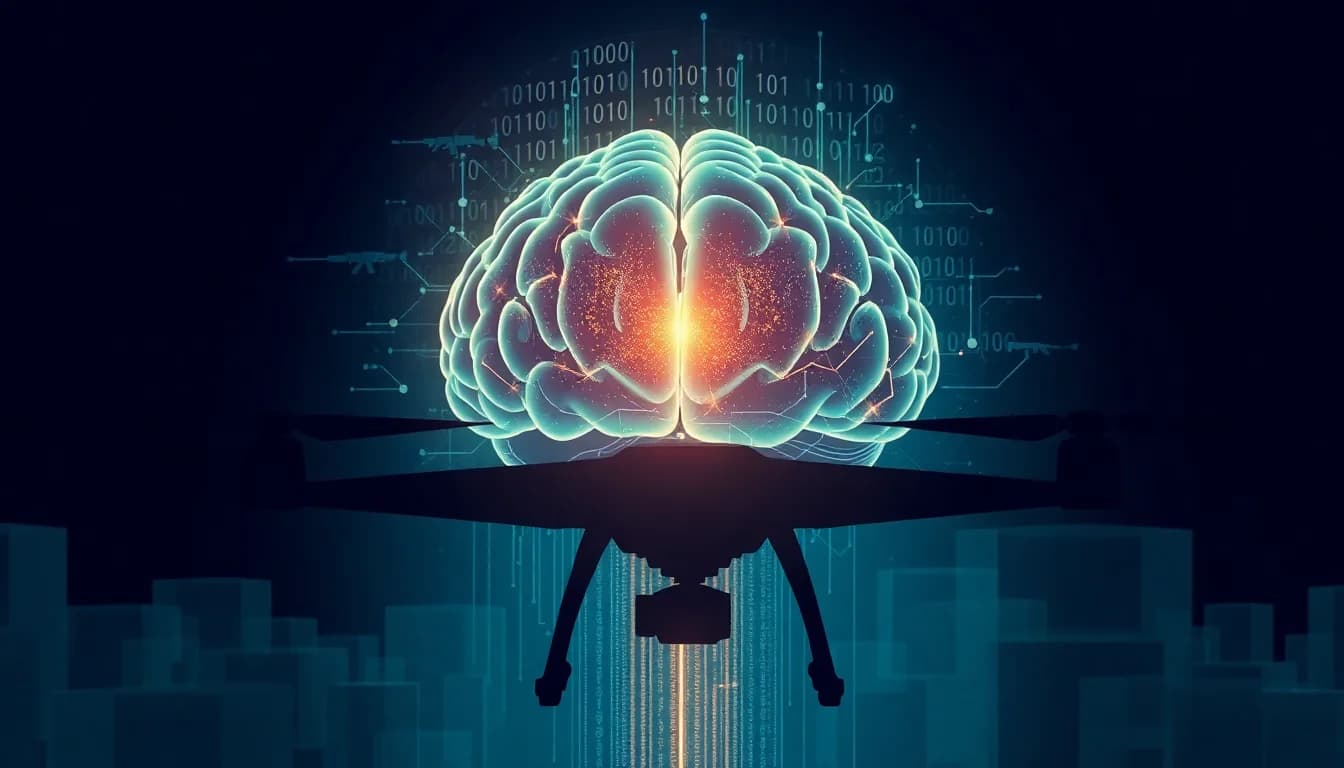
Anthropic has softened its key safety policy, citing the need to remain competitive. Concurrently, the Pentagon is pressuring the company to allow the use of AI for surveillance of U.S. citizens and the development of autonomous weapons.
Previously, the firm positioned itself as one of the most safety-focused AI labs in the market. However, the leadership has now abandoned a key commitment in this area.
In 2023, the company introduced the Responsible Scaling Policy (RSP)—a set of voluntary guidelines aimed at reducing catastrophic risks associated with neural networks. Initially, the document stipulated that the developer would halt AI development if it deemed the technology potentially dangerous.
“We decided that we wouldn’t help anyone by simply stopping the training of AI models. Given the rapid progress in the industry, it seemed unreasonable to take unilateral commitments while competitors move ahead,” said Anthropic's Chief Scientist Jared Kaplan in an interview.
The third version of the RSP states that Anthropic will continue to enhance AI as long as it believes it does not have significant advantages over competitors.
“The political environment has shifted towards prioritizing competitiveness and economic growth, and discussions about AI safety have not received substantial support at the federal level,” the startup noted in its blog.
The new policy version emphasizes greater transparency, including detailed publication of model testing results. The company promises to keep pace with competitors regarding system controls. Anthropic is willing to slow development only if it becomes the undisputed leader in the race and simultaneously identifies a significant risk of catastrophe.
When Anthropic introduced the RSP in 2023, it hoped competitors would follow suit. However, no one has made a similarly clear commitment to halt AI development.
Pentagon Pressure on Anthropic
Disagreements have arisen between Anthropic and the U.S. Department of Defense over military plans to use AI for surveillance of citizens and the development of autonomous weapons. The startup has opposed this approach, but Pentagon representatives have expressed intentions to use LLMs “for all lawful scenarios” without restrictions and have hinted at the possibility of contract termination.
CEO Dario Amodei met with Defense Secretary Pete Hegseth to discuss the situation. The department issued an ultimatum: Anthropic must accept government terms by February 27.
If it refuses, authorities may classify the company as a threat to supply chains, jeopardizing Anthropic's business with other U.S. government contractors. An alternative option is the application of the Defense Production Act, which would allow the Pentagon to use the startup's technology forcibly.
“This scenario is unprecedented and will almost certainly lead to a wave of litigation if the administration takes negative actions against Anthropic,” stated Franklin Turner, a government contracts attorney at McCarter & English.
In a response statement, representatives of the AI company emphasized that both parties “continue to engage in good faith dialogue.”
Anthropic Stands Firm
According to Reuters, Anthropic is not planning to ease its restrictions on the use of technology for military purposes.
The startup's position has been supported by Ethereum co-founder Vitalik Buterin.
It will significantly increase my opinion of @Anthropic if they do not back down, and honorably eat the consequences.
— vitalik.eth (@VitalikButerin) February 24, 2026
(For those who are not aware, so far they have been maintaining the two red lines of "no fully autonomous weapons" and "no mass surveillance of Americans".…
“If they do not back down and honorably accept the consequences, it will significantly improve my opinion of Anthropic,” he stated.
In February, it was revealed that the AI model Claude was used in an operation to capture Venezuelan President Nicolás Maduro. According to reports, during the meeting with Hegseth, Anthropic's CEO did not express concern over the use of the company's products in this initiative.
This serious threat from the Pentagon indicates a reluctance to abandon Claude in the defense sector, as noted by The Economist. Journalists point out that the startup's technologies may prove indispensable for military tasks.
It is worth noting that SpaceX and its AI subsidiary xAI are participating in a secret Pentagon tender for the development of autonomous drone swarms with voice control.