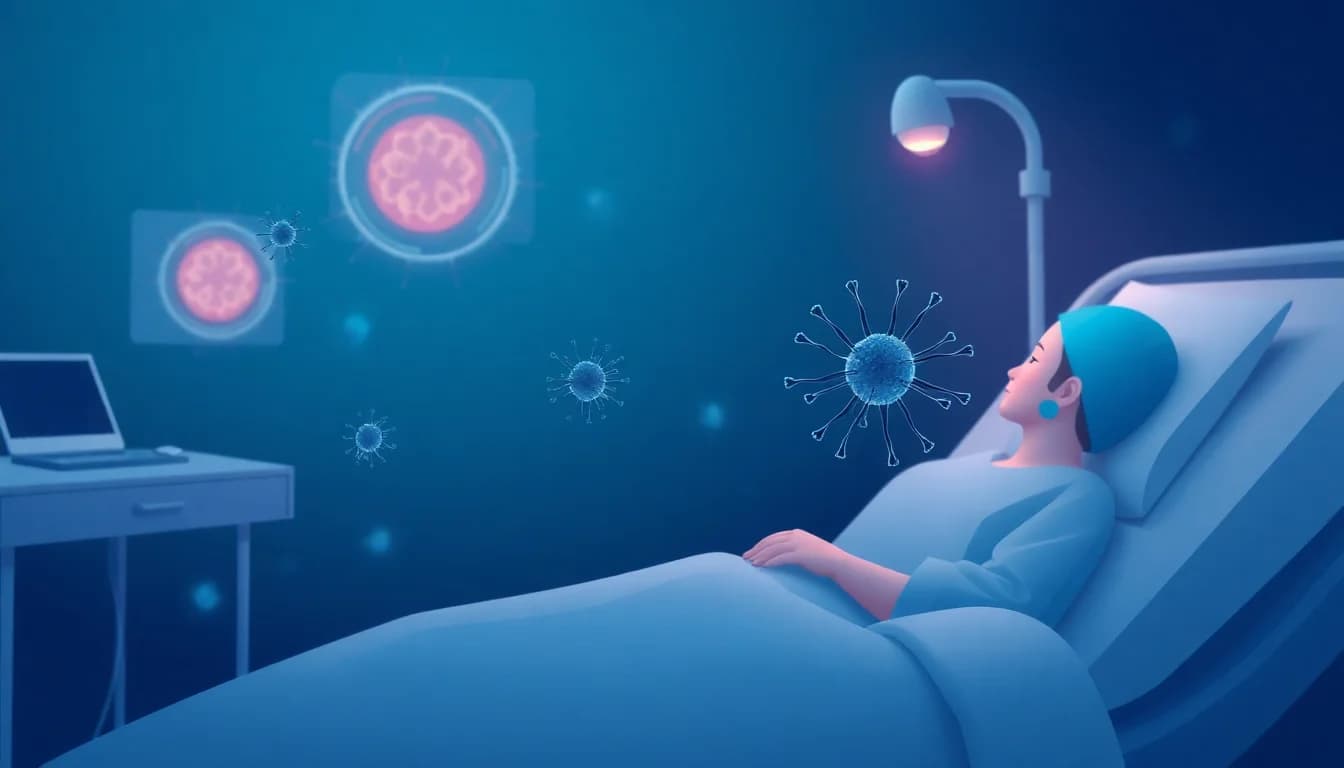
Radical Numerics has successfully administered AI-designed bacteriophages to a patient with a drug-resistant infection, marking a significant milestone.
Radical Numerics, a U.S. startup, has made headlines by successfully administering AI-designed bacteriophages to a human patient suffering from a drug-resistant E. coli infection.
Bacteriophages are viruses that target and destroy specific bacteria, offering a potential alternative to antibiotics. However, identifying the appropriate phage for a patient can take months. In this instance, the infection resisted both antibiotics and available phages, prompting researchers to turn to AI for solutions.
Details of the Procedure
Using their genomic model called Omnii-1, the startup created modified phages based on the T7 bacteriophage known for infecting E. coli. The AI recommended genetic alterations to a specific region of the phage's genome responsible for bacterial recognition.
The researchers synthesized the suggested DNA sequences, resulting in engineered phages. Laboratory tests indicated that the new phage cocktail effectively eliminated the resistant bacterial isolate from the patient.
This therapy received approval from the U.S. Food and Drug Administration (FDA) under the expanded access provision, allowing patients with serious conditions to access unapproved treatments when no alternatives are available. However, the FDA report did not detail this approval process.
The company clarified that this treatment is not yet approved for general use and that observations from a single patient are insufficient to determine its safety and efficacy.
Challenges and Observations
Radical Numerics has not disclosed the patient's current status, treatment outcomes, or the identities of the healthcare providers involved, citing privacy concerns. The technical report also hasn’t undergone independent scientific peer review.
Michael Baym, a microbiologist from Harvard University, expressed cautious optimism about the treatment's potential, stating, "If this works, it will be amazing," while urging for more data before forming conclusions.
Laboratory Findings
In the lab, 69.9% of the phage modifications yielded successful outcomes, a significant improvement compared to the mere 4.8% success rate from random modifications of similar scale. The team found that 2161 out of 6694 variants outperformed the original T7 phage, with some variations featuring up to 28 genetic changes.
CEO Eric Nguyen anticipates that their technology could streamline the therapy selection process from months to merely days. This breakthrough follows earlier work by Stanford University researchers who first used AI to design complete viral genomes.