Summary
- AI firms are reportedly purchasing and then destroying physical books after digitizing them for AI training.
- Booksellers have noted a significant rise in demand for rare and out-of-print titles, raising alarms about the potential loss of these works.
- A federal judge has determined that the destructive scanning of legally owned books may fall under fair use, despite ongoing copyright disputes.
In a scenario reminiscent of Ray Bradbury's "Fahrenheit 451," certain AI companies are not merely utilizing books but are also eliminating them.
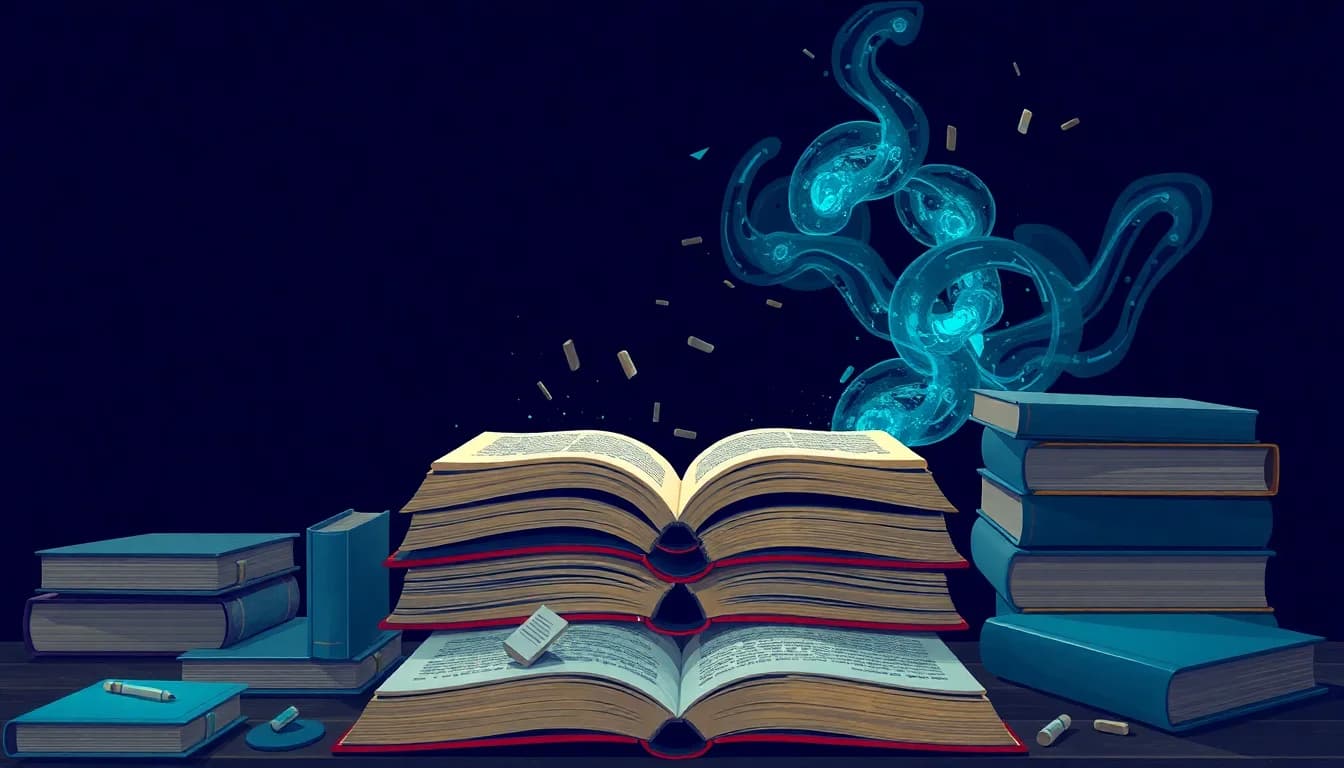
As the push to develop more sophisticated AI models intensifies and copyright issues proliferate, a new industry has emerged to provide these companies with vast quantities of physical books, which are dismantled, scanned for training purposes, and subsequently discarded.
According to a report by 404 Media, AI companies are employing third-party intermediaries to discreetly acquire books on a massive scale. These intermediaries advertise their capacity to locate hundreds of thousands of titles while ensuring confidentiality for their AI clients, highlighting the contentious nature of this practice.
Critics argue that this buying frenzy is fueled by AI companies eager to safeguard human-generated knowledge before it becomes diluted by AI-produced content, often referred to as "AI slop." Books released prior to the advent of generative AI in 2023 are particularly sought after due to their high-quality, human-written content.
This increased demand is already transforming the second-hand book market. One bookseller, who chose to remain anonymous, reported that weekly sales surged from around 20 books to several hundred after AI buyers entered the scene. Despite the financial benefits, he expressed concern that unique and out-of-print titles are at risk of permanent loss once they are scanned and destroyed.
“It’s been profitable for me, and it helps clear out older inventory that likely wouldn’t sell,” he told 404 Media. “I have been fortunate with inventory sourced from overseas and foreign language books. However, I dislike the end result, and I am concerned about the fate of rare books being pulped.”
This practice parallels Anthropic's "Project Panama," which involved the digitization of millions of books through similar destructive methods.
In a notable copyright case, Bartz v. Anthropic PBC, a federal judge in San Francisco ruled last summer that digitizing legally owned physical books, even if the originals are destroyed, qualifies as transformative fair use. Subsequent rulings in related copyright cases involving OpenAI and Meta echoed this sentiment.
In a different case, however, a judge recently approved a $1.5 billion settlement requiring Anthropic to compensate thousands of authors approximately $3,000 per book after the company utilized pirated versions of their works for training its AI model, Claude.
In light of the escalating backlash, some AI developers, including Elon Musk, have voiced their opposition to this practice, advocating for the preservation of the books being scanned. Musk stated, “I’ve instructed the SpaceXAI team to safeguard any rare books in a library and to scan them using traditional methods instead of simply cutting off the spine.”